
Common Mistakes Newbies Make in Futures Trading with Prop Firms
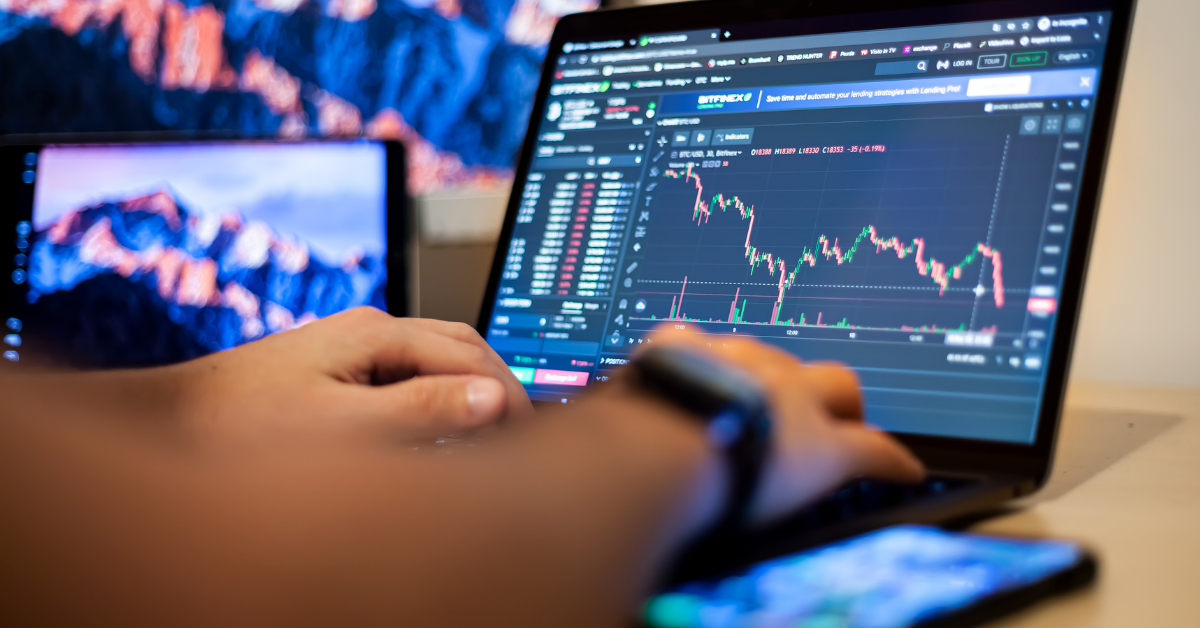
Futures trading is widely renowned for great returns, quick action, and aggressive decision-making. Futures trading is a magnet for most new traders who are eager to harness the leverage of the market with liquidity. Yet with so much ability to go ginormous risk. Most new traders enter the field of futures trading without full understanding of what they are undertaking and thus make unnecessary blunders at a premium cost financial and psychological. One important aspect that many overlook early on is understanding future trading hours, which can significantly impact liquidity and volatility. In the initial phases of a career in trading, particularly where one's performance is being closely watched, one must make strong bases. Below are some of the most usual mistakes which traders commit during the early stages and how they can be avoided.
Lack of Market Knowledge
One of the biggest obstacles facing starters in futures trading is an incorrect understanding of how futures markets operate. Most market newcomers do not realize how delivery date and expiry date of a contract differ, let alone margins. Worse still is the frequency with which new market newcomers trivialized leveraged products' risks.
Starters need to spend time understanding the fundamentals of futures contract behavior. It involves understanding tick sizes, contract prices, margin rules, and overnight holding implications. Not learning this fundamental information typically results in confusion, badly handled trades, and wasteful losses.
Disregard for Market Hours
Most new traders are unaware of how important it is to be aware of the exact futures trading hours for each of the contracts that they are trading. Futures markets are technically open 24 hours a day starting Sunday evening through Friday evening, but the volatility and volume can vary pretty dramatically depending on the hour.
Being aware of the most important futures trading time can contribute significantly to enhancing a trader's choice. For instance, liquidity and volatility tend to be largest whenever main market sessions coincide, like when the U.S. stock market opens. Conversely, trading during less busy time midnight or early morning can lead to widening of spreads and slippage and become more difficult to control risks.
Overleveraging Trades
Leverage is quite possibly the most alluring aspect of futures trading, but as well one of the most risky. One of the largest mistakes newer traders make is applying too much leverage without understanding the risk of loss on the downside. A small price movement against a highly leveraged position might result in huge losses or even initiate a margin call.
The new traders are subjected to the temptation of getting money in an instant, and thus they take larger-than-account-size positions. The secret to survival of their accounts and sanity is good position sizing and leverage conservativism.
Trading Without a Plan
Leaping into trades without a defined strategy is the frequent and expensive error. Traders tend to start with enthusiasm and zeal but not with a well-defined strategy. It results in emotional trading, spasmodic gains, and whimsical choices.
A good trading plan should contain rules for entry and exit, stop-loss levels, the daily limits of risk, and a process for reviewing them. Discipline is paid back in profits in futures trading, and a plan assists in giving a framework to the trader through which he does not make impulsive decisions in risky market conditions.
Poor Risk Management
One of the fastest things a new trader will do in losing money is through a lack or minimal risk management. No-stop-loss trades, risking too much capital on a trade, or expanding size on a loss are all illustrations of poor risk management.
Successful futures traders also know that preserving capital is more important than making a lot of money. risking no more than 1–2% of your account on a trade is an accepted concept that allows one to grow while limiting one's downside risk to a bare minimum.
Emotional Trading
The psychological ups and downs of trading can be draining, especially on the new futures market trader. New traders get intimidated by a loss or become too cocky after a gain. This leads to emotional trades like revenge trading or overtrading that end up in losses.
Learning to remain detached emotionally and consider trading as a game of probabilities rather than a sequence of wins and losses is important. Keeping a trading journal with notes of emotional responses, choice-making, and trade outcome can make one accustomed to self-consciousness and controlling emotions.
Chasing Trades
Another common error is following trades after a peak price movement. New traders will see a strong trend and jump in too late, only to experience the reversal in a short time thereafter. This is always done out of fear of missing out and never results in profitable consistency.
Patience and timing are the most critical qualities when trading futures. Being patient and waiting for optimal setup and observing market conditions before taking a trade commonly results in good entries and good profits.
Disregarding News and Economic Events
Futures markets respond to macroeconomic data, interest rate news, and political events. New traders routinely ignored the effects of economically released news announcements, to come short of it by unexpected movements in volatility.
Stay current with an economic calendar so that one will not be opening new positions the night before major news release, unless one has a plan for such situations. Sitting out as much as trading at times is just as critical.
Unpredictable Use of Strategy
Hopping from one strategy to the next is what most fall victim to. Novice traders will kill a strategy after a few losing trades and go along with the next shiny thing they hear in chat rooms or find posted on the web. Juggling around prevents traders from knowing what does and does not work.
All of these strategies will bring about drawdowns. The difference is remaining consistent and being cautious of the long term. Experience- and number-based emotional-free trading is the solution to true improvement.
Missing Out on Review and Reflection
Finally, most new traders do not look at their trades or learn from loss. There must be review so that successful or unsuccessful patterns can be observed. Recording every trade entry, exit, why, and outcome improves decision-making and prevents misguided repetition.
Self-knowledge is the basis of any profitable trading habit. It involves responsibility, truth-telling, and long-term construction.
Final Thoughts
Futures trading is not for newbies, particularly for new traders. The market is unstable and the risk is extremely high. Nevertheless, new traders can prevent committing the worst errors by knowing the best errors to prevent—such as trading in off-hour futures low-volume hours, over-leveraging, or neglecting risk management. Futures trading for beginners requires extra caution, structure, and awareness of these common pitfalls. Discipline, education, and patience are the foundations of successful futures trading. With high-practice and experience, even inexperienced traders can transition from expensive mistakes to solid performance through staying committed to their game plan and absorbing every trade.